MASTERING THE WW1 US UNIFORM: REENACTMENT’S GUIDE TO AUTHENTICITY AND ACCURACY
🎖️ WW1 US Uniform Guide: History, Tips & Trends for Collectors and Enthusiasts
Did you know that over 4.7 million Americans served in WWI, and each of them wore a uniform that defined an era?
From the muddy trenches of France to training camps across the U.S., the WW1 US uniform not only served functionally but also became an icon of American military heritage. Whether you're a historian, collector, or reenactment, understanding this uniform is key to appreciating a pivotal period in world history.
In this comprehensive guide, you’ll learn:
- How the WW1 US uniform evolved
- Actionable steps to source authentic pieces
- Common mistakes to avoid
- How it compares to related uniforms like the WW1 German uniform
- What trends are emerging in collecting and reenacting
- How to avoid fakes and overpriced replicas
🪖 The Evolution of the WW1 US Uniform
The WW1 US uniform went through several changes between 1917 and 1918. Initially influenced by pre-WWI military designs like the US Army uniform of 1880, the uniform adapted quickly to the demands of modern warfare.
Key Features of the Standard WW1 US Uniform
- Wool tunic and breeches: Olive drab wool for warmth and camouflage.
- Puttees: Wool wraps around the lower legs to provide ankle support and prevent mud ingress.
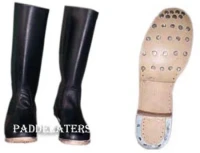
- Brogans: Rough-out leather boots with hobnails for trench conditions.
- Service Cap: The “Montana peak” campaign hat or a flat garrison cap.
Notable Variants
- Marine Corps uniforms: Similar in cut but featured eagle, globe, and anchor insignia.
- Navy Corpsman Marine Uniform: Navy corpsmen serving with Marines wore navy attire with Marine attachments.
- Female Marine Officer Uniform: Rare but increasingly studied—typically a tailored, skirted version of the male tunic.
🧭 How to Identify Authentic WW1 US Uniform Pieces
If you're looking to build a collection or put together a historically accurate ensemble, here’s a step-by-step guide:
🔍 1. Start with Research
Before buying anything:
- Study original photos
- Visit museums with WW1 US uniform exhibits
- Read collector’s books like “Uniforms of the American Expeditionary Forces in World War I”
🛒 2. Buy from Reputable Sources
Avoid online auction traps. Instead:
- Use verified military antique dealers
- Join WW1 forums and reenactment communities
- Visit military fairs and shows
📜 3. Understand Markings
- Look for Quartermaster stamps (Q.M.D.) inside tunics
- Date stamps and inspector initials are often found near the collar or inner hem
⚠️ Common Pitfalls
- Mistaking WW2 uniforms for WW1: They may look similar, but WW2 uniforms are often greener and more mass-produced
- Buying altered pieces: Many old uniforms were modified for post-war use—shortened jackets, replaced buttons, or added lining
- Ignoring condition: Moth holes, missing buttons, or faded labels reduce value and authenticity
🧥 WW1 US Uniform vs WW1 German Uniform: A Comparison
Understanding the differences helps you spot reproductions and adds depth to your knowledge.
FeatureWW1 US UniformWW1 German UniformColor | Olive Drab | Field Grey (Feldgrau)
Helmet | M1917 Brodie Helmet | Stahlhelm (introduced 1916)
Material | Heavy wool | Lighter wool/fabric blend
Distinctive Insignia | Branch colour piping, "US" collar disks | Regimental numbers, cockades on caps
Footwear | Puttees and brogans | Jackboots or ankle boots
🎯 Actionable Tips for Reenactors and Collectors
Whether you're a living history enthusiast or weekend reenactor, these tips will keep you historically accurate and cost-efficient:
🧰 Essential Starter Kit
- Wool tunic and breeches (reproduction or authentic)
- M1917 Brodie helmet
- Canvas leggings or puttees
- 1903 Springfield rifle (replica for reenactment)
- M1910 Haversack and canteen
💸 Budgeting Smart
- Start with high-quality reproductions—many companies like At The Front or What Price Glory offer accurate gear
- Slowly replace with authentic gear as your knowledge and budget grow
- Don’t overspend on officer gear unless your impression requires it
🔄 Current Trends in WW1 US Uniform Collecting
The military scene is shifting, and here’s how:
🔄 1. Increased Interest in Women’s Roles
Uniforms like the female marine officer uniform or Red Cross attire are seeing a spike in demand. Collectors are recognising the vital role women played and the scarcity of these uniforms adds to their value.
🔄 2. Virtual Reenactments and 3D Renders
With tools like Unreal Engine and VR, historical gamer and educators are recreating the WW1 US uniform in digital space—requiring accurate reference models.
🔄 3. Crossover Collecting
Collectors are blending eras: pairing a US Army uniform 1880 piece with WW1 gear to show lineage and evolution.
🔄 4. Sustainability in Restoration
Eco-conscious collectors now use organic methods to restore and preserve old wool rather than chemical cleaning or invasive tailoring.
📦 Where to Buy or See WW1 US Uniforms
🏛 Museums
- National WWI Museum in Kansas City
- The Smithsonian’s Armed Forces History collection
- Imperial War Museum (for comparative international uniforms)
🛒 Reputable Dealers
- IMA USA
- Hes sen Antique
- So military. co. uk
- eBay (only with authenticated sellers and return guarantees)
🧠 Final Thoughts on the WW1 US Uniform: History Meets Passion
The WW1 US uniform is more than fabric and buttons—it's a living symbol of sacrifice, innovation, and identity. Whether you're looking to reenact, collect, or simply appreciate the aesthetics of military history, understanding this uniform opens a door to the past.