Introduction: The Trench Struggles of WW1 Soldiers
World War I was fought under some of the toughest conditions imaginable. Soldiers spent months in muddy, cold, and wet trenches. One of the most essential pieces of equipment for these soldiers was their uniform, particularly the French WW1 greatcoat. But, as vital as it was, this piece of military gear wasn’t always perfect. In fact, many soldiers faced significant durability issues, particularly in the harsh trench environment.
The wool used in these uniforms often became waterlogged, causing immense discomfort. For soldiers battling the cold, wet conditions, the weight of a soaked greatcoat added to the misery. Ever wonder why the French Army needed to rethink their uniform designs during the war? Let's dive into the details.
What Made the French WW1 Greatcoat a Trench Savior?
The French WW1 greatcoat was designed to keep soldiers warm and dry during their grueling time in the trenches. Its design, made from thick wool, had to serve a variety of functions. But did it always live up to its promise? Let’s look at its features to understand why it became a trench lifesaver despite the challenges.
Key Materials and Design Specs
The French M1915 greatcoat was made primarily from a dense wool blend, weighing around 2.5 kg (5.5 lbs). This weight provided some warmth, but the coat wasn’t necessarily a bulletproof shield against the harsh conditions. It had a double-breasted front, with large brass buttons that were easy to fasten even in the dark. The collar could be turned up to protect the neck, and it extended down to the calves, providing decent coverage against the wind and rain.
The greatcoat was primarily designed to be worn over the regular French infantry uniform, offering additional insulation. The wool had a natural water-resistant quality, though it couldn’t fully prevent the soaking conditions soldiers often endured in the trenches. Even so, reports from soldiers during the Battle of the Somme in 1916 mention the coat’s ability to keep them warm in dry conditions, although it wasn’t perfect when wet.
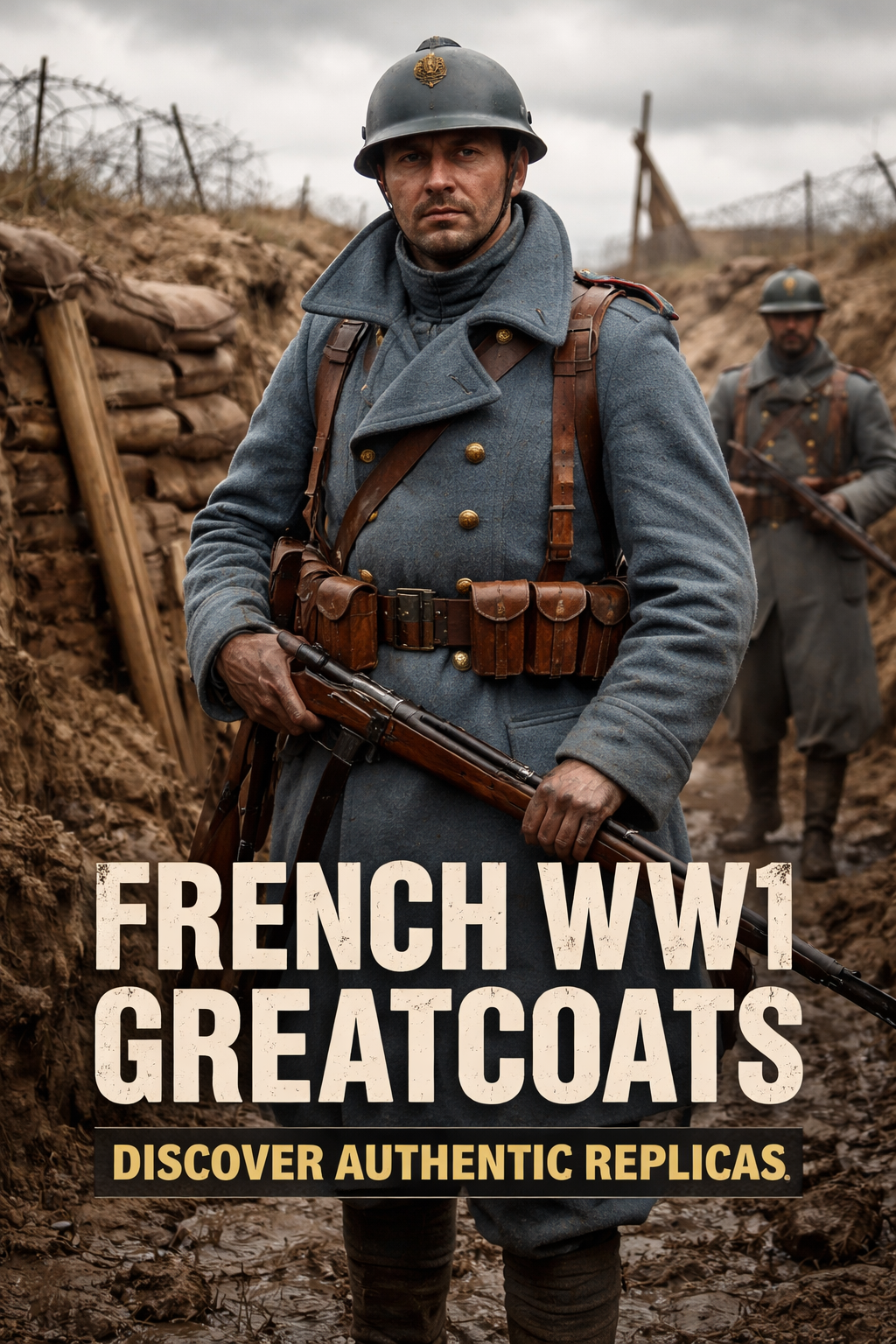
Interestingly, it had a wide cut around the shoulders, allowing soldiers to wear it over their gear. That feature made it a practical choice for the muddy, claustrophobic trench environment.
Sizes and Fit for Modern Collectors
When buying a replica French WW1 greatcoat, it's important to keep in mind that the size and fit may differ from today’s standards. The original coats were quite roomy, designed to fit over bulky uniforms and gear. Modern collectors may find the fit somewhat oversized, but that's part of the coat's charm.
Most replicas available today come in various sizes, often ranging from small to extra-large, with many brands offering custom tailoring options. That’s important to consider if you're looking for something that matches your body type or personal preferences.
Pros & Cons: Real Talk from Owners
When it comes to military collectibles, it’s crucial to get a balanced perspective. So, what do collectors and history enthusiasts think about the French WW1 greatcoat?
Pros
-
Durability: Replicas are made from thick wool blends, similar to the original M1915 design. They hold up well over time and provide a genuine feel of the period.
-
Historical Accuracy: The stitching, brass buttons, and cut are all made to reflect the original uniform. It's as close as you can get to owning a real piece of history.
-
Warmth: A French WW1 greatcoat replica is perfect for cold weather, with modern enhancements to the fabric’s moisture-wicking properties, improving its water-resistance compared to the original.
Cons
-
Heavy When Wet: As in WW1, even modern replicas can become quite heavy when soaked. However, they don’t hold moisture as much as the original wool, thanks to modern textile technologies.
-
Limited Use for Casual Wear: While it's a fantastic historical piece, wearing it casually can feel a bit out of place for some people. It’s not designed for daily wear but rather as a collector’s item.
-
Sizing Issues: Not everyone fits into the oversized, baggy look. Some replicas can run large, and alterations might be necessary to get the perfect fit.
Real-World Examples: Soldiers and Collectors Today
WW1 Case Study: Battle of the Somme, 1916
In the Battle of the Somme, soldiers often reported the difficulty of staying dry and warm, even with the French M1915 greatcoat. Although it provided some protection, it couldn’t completely keep out the relentless rain that soaked everything. However, many soldiers appreciated how the coat kept them warm on days when they managed to stay relatively dry.
According to soldier accounts from the French infantry, “The coat was a godsend when the weather cleared, though it was a burden when the rains came.” One soldier’s report notes that during particularly wet spells, the coat became "soaked through" and added to the already heavy load of gear they carried.
Modern Collectors: Where to Find Your Own
Today, finding a French WW1 uniform for sale isn’t too difficult, but you’ll want to ensure you're purchasing from reputable sources. Several websites, like Paddlelaters.com, specialize in high-quality WW1 replicas. Collectors appreciate that these replicas closely mimic the historical design, from the brass buttons to the dense wool blend.
Several historical reenactment groups also rely on French WW1 greatcoats for their authenticity. One reviewer on a collector forum says, “I bought a French WW1 greatcoat a few months ago, and I’m beyond impressed with the quality. It’s perfect for reenactment and shows off the craftsmanship of the period.”
FAQs
-
Where to buy French WW1 uniforms for sale?
You can find reliable French WW1 greatcoat replicas at specialized online military stores, including Paddlelaters.com. -
What’s the weight of a French WW1 greatcoat?
The original greatcoat weighed around 2.5 kg (5.5 lbs). Modern replicas may vary slightly, but they’re generally close to this weight. -
Can I wear a French WW1 greatcoat casually?
While the greatcoat is historically accurate, it’s designed for collectors and reenactors. It may feel too bulky for everyday wear, but it’s a great piece for historical displays. -
Are there any modern improvements to the greatcoat?
Yes, modern replicas often include slight updates to fabric technology, such as enhanced water resistance and improved fit options for modern collectors. -
How do I know if a greatcoat is a good replica?
Look for features like the double-breasted front, large brass buttons, and thick wool fabric. Reliable replica shops will provide detailed descriptions and accurate measurements. -
Can I get a French WW1 uniform custom-fitted?
Yes, many stores offer customization options for size and fit to ensure the greatcoat matches your body type. -
What’s the best way to store a French WW1 greatcoat?
To preserve the wool and avoid damage, store your greatcoat in a cool, dry place, ideally in a garment bag.
Conclusion: Ready to Own a Piece of History?
If you’re a collector or history enthusiast, owning a French WW1 greatcoat is a great way to connect with the past. These uniforms are more than just clothes; they’re tangible pieces of history that tell the story of the soldiers who wore them. With modern replicas, you get a durable, reliable piece of military history that stands up to the test of time.
Head over to Paddlelaters.com today to find your very own French WW1 greatcoat. Whether you’re a reenactor, a collector, or just fascinated by history, it’s a must-have for anyone who wants to experience the past in an authentic way.
Summary: The French WW1 greatcoat is a critical part of military history, designed for warmth and protection in trench warfare. Despite its flaws, it was a soldier's essential piece of kit. Today, high-quality replicas provide collectors with a reliable, historically accurate way to connect with the past. Check out Paddlelaters.com for your own French WW1 greatcoat and add a piece of history to your collection.
